
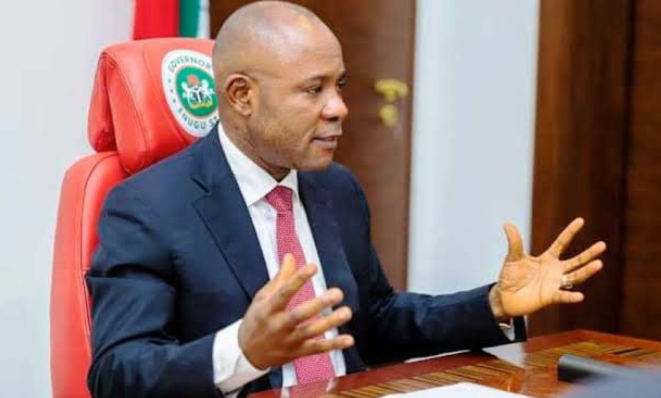
- N310 billion solar initiative: Governor Peter Mbah endorsed a major distributed solar power project to overhaul electricity access across Enugu State.
- Industrial grid decentralization: Independent solar plants and mini-grids aim to shield local factories, agricultural hubs, and businesses from national grid collapses and high diesel costs.
- Private sector partnership and timeline: Consortium financiers have structured funding for the project, with first-phase construction and site handovers scheduled for completion by November 2026.
Enugu — Governor Peter Mbah endorsed a comprehensive N310 billion distributed solar power initiative designed to overhaul electricity access across Enugu State.
State officials finalized investment frameworks with energy developers during a strategic briefing at the Government House. The program targets continuous power supply for industrial zones, commercial hubs, and residential districts throughout the region.
Grid Decentralization and Industrial Growth
Frequent national grid collapses historically crippled manufacturing output and small businesses across southeast Nigeria. Independent decentralized solar plants insulate local factories from debilitating power outages and surging diesel costs.
State economic planners integrated clean energy targets into regional master plans to attract foreign manufacturing investments. Dedicated mini-grids will power upcoming agricultural processing clusters and tech innovation hubs.
Financing Models and Private Sector Partnerships
Consortium financiers structured blended capital packages combining equity investments and concessionary debt instruments. Project developers committed to deploying modular photovoltaic arrays across urban and rural settlements.
Technical engineering teams completed preliminary site surveys for major sub-stations in Enugu East and Nsukka zones. Local vocational institutes will train technicians to manage equipment maintenance and installation routines.
Implementation Timelines and Milestone Monitoring
Government oversight committees established strict performance benchmarks to track infrastructure deployment across all participating local council areas. Contractors must meet environmental compliance standards prior to receiving construction permits.
First-phase construction reports and project site handovers are officially scheduled for completion by November 25, 2026.
What drove the N310 billion solar power initiative in Enugu State?
The initiative was launched to eliminate chronic power deficits that hinder industrial growth and commercial productivity across Enugu State. Governor Peter Mbah's administration partnered with private energy developers to establish reliable, decentralized clean energy infrastructure for businesses and households.
The joint steering committee will review initial infrastructure milestones on November 20, 2026.