- Comprehensive stakeholder review: Lagos State has launched an evaluation of private sector investments and regulatory compliance within its independent electricity market to ensure stable tariffs and micro-grid expansion.
- Economic and industrial relief: Expanded private capital in localized gas and solar power aims to cut high operational costs for manufacturers in industrial hubs like Ikeja and Apapa, boosting overall productivity.
- Compliance audits and timelines: Technical panels are currently auditing operational milestones and safety certificates ahead of the official stakeholder plenary conference scheduled for November 25, 2026.
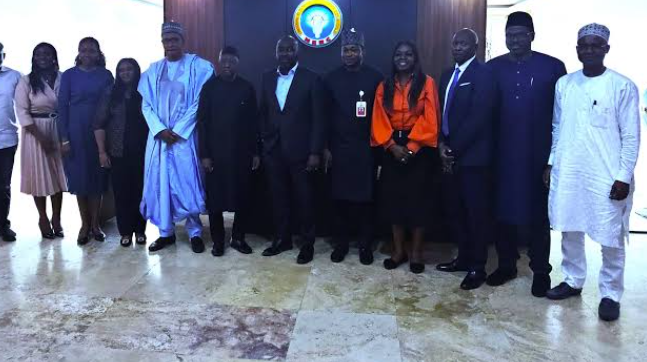
Lagos — The Lagos State government announced a comprehensive stakeholder review of private sector participation and investments within its independent electricity market.
State energy commissioners finalized briefing schedules to evaluate distribution metrics and regulatory compliance across municipal power grids. Officials highlighted that assessing private capital inflows ensures stable tariff frameworks and rapid expansion of neighborhood micro-grids.
Regulatory Frameworks and Grid Decentralization
Devolving electricity oversight to sub-national authorities allows state regulators to fast-track localized generation licenses. Independent power producers require predictable legal safeguards to deploy capital into dense urban distribution networks.
State technical committees evaluate ongoing partnerships with private utility firms operating across industrial and residential zones. Improved regulatory clarity directly protects consumer interests while fostering competitive electricity pricing.
Commercial Impact and Industrial Productivity
Unreliable utility supply historically forced manufacturing enterprises in Ikeja and Apapa to rely on costly diesel generators. Expanded private investments in localized gas-fired turbines and solar installations reduce operating overhead for local businesses.
Regional economic analysts project increased manufacturing output as dedicated feeder lines stabilize power delivery. Small business owners across commercial markets anticipate lower energy expenditures under the revised framework.
Review Schedules and Compliance Audits
State regulatory authorities established technical panels to audit operational milestones submitted by licensed power distribution companies. Concessionaires must present safety and capacity compliance certificates ahead of the plenary sessions.
The official stakeholders' review conference and policy finalization sessions are officially scheduled for November 25, 2026.
What drove the Lagos State review of private investments in its electricity market?
The Lagos State government initiated the review to assess the performance of private sector participation, evaluate ongoing infrastructure rollouts, and optimize regulatory policies for regional power generation. The evaluation aims to resolve operational bottlenecks and accelerate reliable electricity access across commercial and residential districts.
The formal stakeholder plenary session is officially slated for November 25, 2026.