
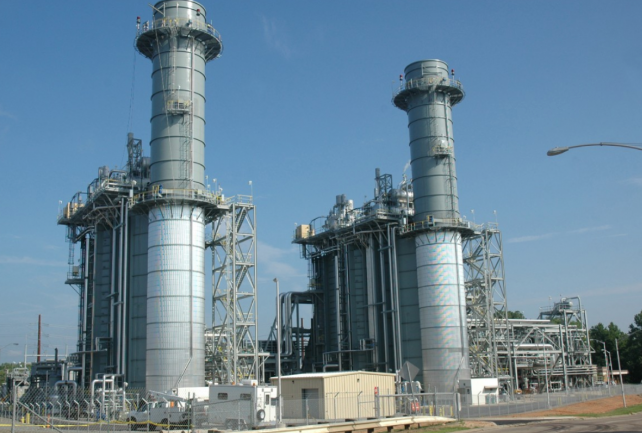
- Domestic gas supply in Nigeria surpassed two billion cubic feet per day, driven by expanded midstream infrastructure and increased processing output.
- Industrial manufacturers and power generation companies benefited from improved fuel reliability, reduced operational downtime, and lower carbon footprints.
- Regulatory authorities enforced new compliance frameworks and set a deadline of November 25, 2026, for processing companies to submit updated distribution metrics.
Abuja — Nigeria's domestic gas supply surpassed two billion cubic feet per day, marking a significant milestone for the nation's energy sector. Petroleum ministry officials and midstream regulatory authorities announced the production figure during an energy briefing in the capital.
Industrial manufacturers and power generation companies welcomed the expanded fuel availability, which promises to stabilize plant operations. Energy economists noted that consistent feedstock supplies are vital for reducing manufacturing overheads across regional industrial clusters.
Midstream Infrastructure and Pipeline Expansion
Midstream gas infrastructure companies accelerated pipeline expansion projects to connect producing fields directly with industrial hubs in Lagos, Ogun, and Kano. Engineering teams completed pressure testing on major trunk lines to ensure secure transport capacity.
Processing plant operators increased compression output to meet rising demand from commercial power plants and fertilizer manufacturing facilities.
Industrial Impact on Manufacturing and Power
Factory owners operating in local manufacturing zones reported improved energy reliability, reducing downtime caused by erratic power grids. Commercial enterprises transitioned machinery to cleaner gas power sources, lowering overall carbon footprints and fuel expenses.
Chambers of commerce organized stakeholder workshops to help medium-scale enterprises integrate domestic gas into their production workflows.
Regulatory Reporting and Supply Targets
Midstream and downstream petroleum regulatory authorities established compliance frameworks to monitor daily volumetric delivery metrics across all distribution networks. Inspection officers audited meter readings at processing terminals.
All licensed gas processing companies must submit their updated distribution compliance reports by November 25, 2026.
What drove the increase in Nigeria's domestic gas supply?
The increase in Nigeria's domestic gas supply was driven by expanded midstream pipeline infrastructure, accelerated processing plant capacity utilization, and deliberate regulatory policies prioritizing feedstock delivery to local power plants and industrial manufacturers.
The supply milestone was officially announced on October 2, 2026.