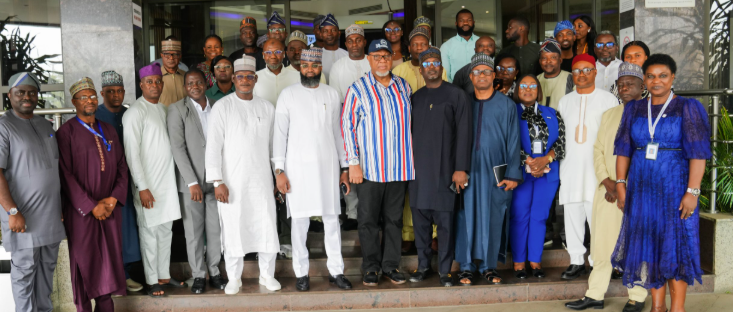
- NASENI introduced 40 homegrown technologies, including electric vehicles, solar irrigation pumps, and consumer electronics, to reduce foreign import dependence.
- New regional manufacturing hubs, such as a 40-hectare Solar Industrial Park in Nasarawa State, are being developed to scale up local production and create green jobs.
- Workforce training and commercialization frameworks are being driven through the Xceler8 Accelerator Programme to transition technical prototypes into market-ready consumer brands.
Abuja, Nigeria — September 7, 2026 — The National Agency for Science and Engineering Infrastructure (NASENI) officially introduced over 40 homegrown technology products, spanning renewable energy, electric mobility, agriculture, and digital infrastructure. Unveiled on September 6, 2026, by Executive Vice Chairman Khalil Halilu, the rollout marks a major strategic push to reduce import dependence and bridge the historical gap between laboratory research and commercial production.
The catalog features electric tricycles, compressed natural gas (CNG) conversion solutions, solar irrigation pumps, smartphones, laptops, and rapid diagnostic kits. These innovations target core infrastructural deficits across West Africa, offering practical, locally tailored alternatives to expensive foreign imports. By focusing on mass-market utility, the federal agency aims to stimulate indigenous manufacturing and create sustainable green livelihoods for young engineering professionals.
Industrial Parks and Regional Manufacturing Hubs
To support large-scale production, NASENI is actively developing a 40-hectare Solar Industrial Park in Gora, Nasarawa State, alongside an electric vehicle assembly facility at the Abuja Technology Village. These hubs are designed to function as integrated ecosystems where local researchers, component fabricators, and global technical partners can collaborate on high-accuracy manufacturing.
Regional economic analysts note that localized production of renewable energy and transport hardware directly addresses foreign exchange pressures. By manufacturing solar home systems and agricultural water pumps domestically, West African economies can insulate supply chains from global currency shocks while expanding rural electrification.
Skills Acquisition and Commercialization Frameworks
Beyond hardware deployment, the institutional strategy emphasizes workforce training and venture capital readiness. Through targeted initiatives like the Xceler8 Accelerator Programme and specialized skills acquisition centers, young Nigerian engineers receive hands-on training in automotive maintenance, solar installation, and precision machining.
Market observers stress that transforming technical prototypes into viable consumer brands requires robust intellectual property protection and reliable distribution channels. Collaboration with pan-African innovation networks ensures that these homegrown solutions can scale across regional trade corridors under the African Continental Free Trade Area.
Implementation Timelines and Future Rollouts
As manufacturing facilities ramp up operations, technical teams are scaling up field deployments of solar irrigation units to farming communities across northern and southern agricultural belts. Commercial distribution agreements with private sector partners are currently being finalized.
The next phase of factory utilization reviews and stakeholder compliance assessments is officially scheduled to commence on September 22, 2026.
What drove the rapid development of homegrown tech products by NASENI?
The rollout was driven by an urgent national push to bridge the gap between scientific research and commercial manufacturing. By developing over 40 local solutions—ranging from electric vehicles to solar pumps—NASENI aims to cut import reliance, lower consumer costs, and drive sustainable industrialization under federal economic agendas.
The next phase of factory utilization reviews and stakeholder compliance assessments is officially scheduled to commence on September 22, 2026.