
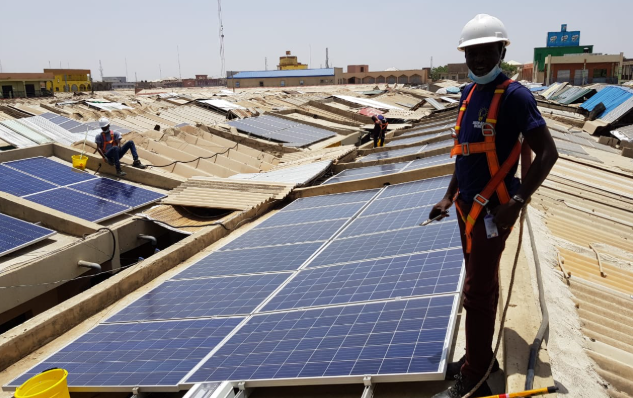
- Extended power availability: A new decentralized solar grid model in Kano increased daily consumer electricity supply from four hours to twenty hours across pilot districts.
- Economic relief for businesses: Stable power delivery reduced reliance on costly diesel generators, allowing small-scale manufacturers and merchants to cut operational expenses and invest in growth.
- Regulatory milestones: Utility officials must submit regional distribution expansion blueprints for Kano, Katsina, and Jigawa for statutory review by November 15, 2026.
Kano — Kano Electricity Distribution Company officials reported that a new decentralized solar grid model successfully extended daily consumer power supply from four hours to twenty hours across pilot districts. Utility executives and renewable energy engineers reviewed the performance metrics during a regional briefing in the commercial center.
Small-scale manufacturers and commercial merchants operating in local trading clusters experienced immediate productivity boosts following the stable electricity delivery. Energy analysts emphasized that the decentralized photovoltaic approach offers a viable blueprint for stabilizing regional power distribution networks.
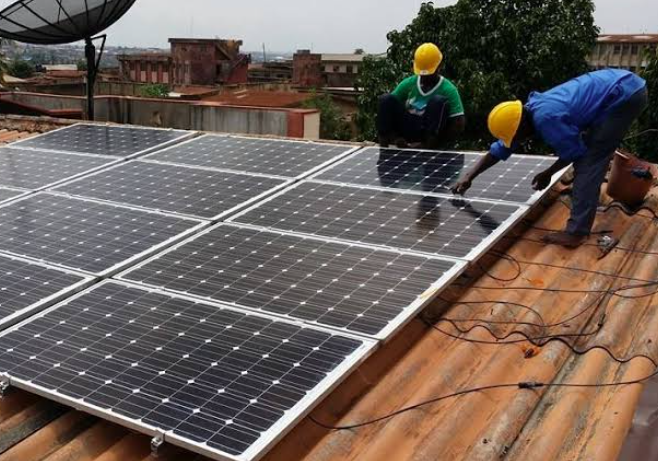
Decentralized Solar Integration and Substation Upgrades
Engineering teams installed dedicated solar photovoltaic arrays alongside existing distribution substations to inject clean capacity directly into local feeders. Maintenance crews monitored voltage stability and load balancing across densely populated residential and industrial zones.
Cooperative societies partnered with utility planners to establish ring-fenced billing zones that guarantee revenue collection and infrastructure protection.
Economic Impact on Regional Industries and SMEs
Light manufacturing outfits, grain millers, and cold storage operators in Kano reported dramatic drops in auxiliary diesel generator expenses. Business owners redirected capital savings toward equipment expansion and workforce training programs.
Trade associations organized workshops to help members optimize energy consumption during peak production hours.
Regulatory Reporting and Network Expansion Deadlines
Electricity regulatory commission auditors inspected metered solar injection points to verify compliance with national grid codes. Utility compliance officers filed performance logs with the central ministry.
All regional distribution expansion blueprints for Kano, Katsina, and Jigawa must be submitted for final statutory review by November 15, 2026.
What drove the expansion of power supply in Kano's solar grid model?
The expansion of power supply in Kano was driven by the successful integration of decentralized solar photovoltaic generation directly into local distribution feeders, combined with ring-fenced billing frameworks that minimized commercial losses and stabilized regional electricity delivery.
The utility performance report was published on October 5, 2026.