
WASHINGTON — The United States Consumer Price Index rose 2.9 percent on an annual basis in July 2026, ticking up slightly from previous months and matching consensus projections published by the Bureau of Labor Statistics on Thursday, August 13, 2026. The moderate increase was driven primarily by stubborn shelter costs and rising energy expenditures, signaling that price pressures remain persistent across domestic service sectors. Core inflation, which excludes volatile food and energy categories, hovered near 3.2 percent, reinforcing views that returning inflation sustainably to the central bank's two percent target requires a cautious monetary stance.
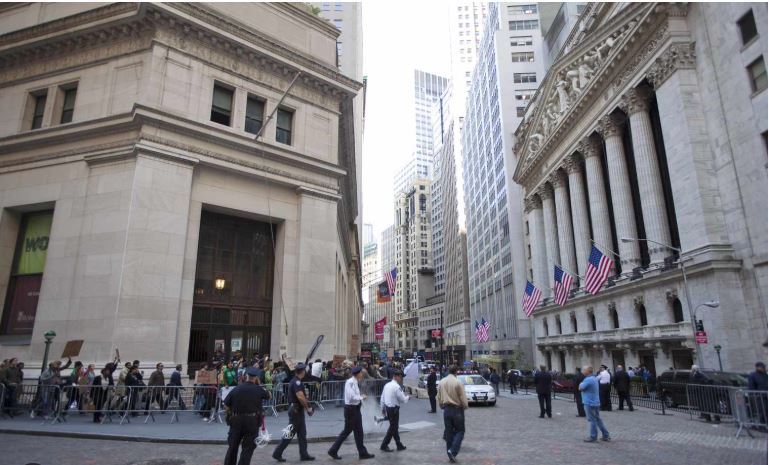
Financial markets reacted with modest gains following the report, as Wall Street traders interpreted the inline data as keeping the door open for a potential interest rate reduction at the upcoming central bank meeting. Equity indices climbed immediately after the morning release, recovering from earlier weekly losses. However, Federal Reserve officials have repeatedly stressed that monetary easing will depend heavily on upcoming employment reports and broader economic indicators rather than a single monthly consumer price reading.
Economists across major financial institutions noted that while headline inflation remains well below its 2022 peaks, the slow pace of core disinflation leaves policymakers with narrow margins. Commercial banks adjusted their borrowing forecasts following the announcement, projecting a potential quarter-point rate adjustment rather than aggressive easing. Federal Reserve Chair Jerome Powell and regional bank presidents will review subsequent labor and manufacturing data before finalizing policy adjustments ahead of the autumn policy session.
Why did the US inflation rate tick upward in July 2026?
The US inflation rate increased to 2.9 percent in July 2026 primarily due to sticky shelter costs, elevated utility expenses, and persistent service-sector price gains that offset modest declines in retail goods. These sticky components demonstrate that domestic price pressures remain resilient despite months of elevated borrowing costs.
The Federal Open Market Committee is scheduled to review these economic indicators and announce its next monetary policy decision on September 16, 2026.