- Massive production surge: Nigeria’s crude oil output increased by 80 percent over a three-year period, boosting national foreign exchange earnings and macroeconomic stability.
- Security and surveillance: Joint military task forces and advanced drone technology successfully curbed illegal bunkering in the Niger Delta, allowing key export pipelines to resume full capacity.
- Industry reinvestment: Enhanced cash flows and improved regulatory frameworks enabled both international and indigenous operators to launch new drilling campaigns and acquire onshore assets.
Abuja — Nigeria recorded an eighty percent surge in crude oil production over a three-year review period, according to official data released by upstream regulatory authorities. Petroleum ministry officials attributed the milestone to aggressive security clampdowns on oil theft and improved regulatory frameworks.
International oil companies and indigenous operators ramped up extraction activities across onshore and shallow water fields. Energy analysts evaluated the production jump as a critical turning point for national foreign exchange earnings and macroeconomic stability.
Upstream Security and Asset Recovery
Joint task force operations in the Niger Delta successfully neutralized illegal bunkering networks, allowing major trunk lines to resume full capacity. Pipeline surveillance contractors deployed advanced drone technology to monitor vulnerable Right-of-Way corridors continuously.
Operating companies reported significantly reduced crude losses and improved terminal injection schedules across regional export hubs.
Investment Reinvestment and Exploration Metrics
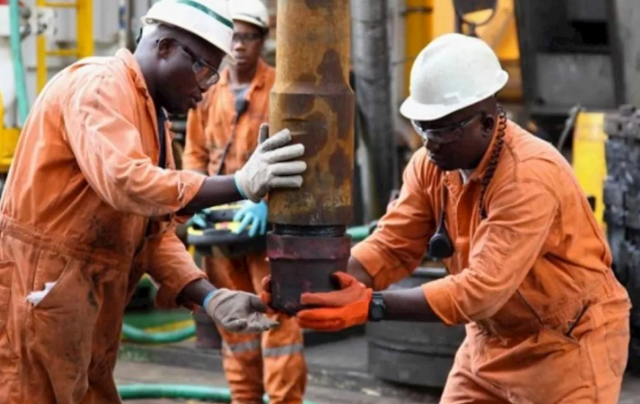
Improved cash flows enabled independent exploration and production firms to finance new drilling campaigns and well-workover programs. Equipment leasing companies in Port Harcourt experienced surging demand for specialized wellhead maintenance tools.
Financial institutions increased credit facilities for indigenous operators acquiring divested onshore assets from international majors.
Regulatory Reporting and Output Verification
Upstream regulatory commission inspectors conducted routine audits of metering stations to verify daily volumetric output figures submitted by operators. Compliance officers maintained rigorous oversight of operational safety and environmental standards.
All oil and gas producing companies must submit their verified monthly production returns by October 31, 2026.
What drove the 80 percent increase in Nigeria's crude oil production?
The 80 percent increase in Nigeria's crude oil production was driven by intensified security operations curbing oil theft in the Niger Delta, improved pipeline surveillance, and aggressive upstream regulatory reforms that boosted investor confidence across petroleum asset portfolios.
The production report was officially published on October 6, 2026.