

- Viral browser-based launch: Software developer Ijeoma Shalom Rayhamen coded and launched Lagos Life as a free web app, bypassing app stores to rapidly cross 2 million active players and $46,900 in early revenue within days of its October 2026 debut.
- Culturally authentic mechanics: The simulation immerses players in Nigerian socioeconomic realities—from local food and nightlife to satirical social hierarchies—while relying on virtual real estate and brand sponsorships rather than paywalls.
- Expansion plans: Buoyed by regional media backing and smooth mobile scaling, Rayhamen is developing new virtual urban environments like AbujaLife and PHLife that will connect to the original platform via an in-game airport system.
Ijeoma Shalom Rayhamen created a massive digital phenomenon from her keyboard. Known widely by her online moniker @Shalom_HeyEliy, this Nigerian software developer built the viral browser-based life-simulation game called Lagos Life. She originally resided in Port Harcourt, Nigeria, before later relocating to the United Kingdom to continue her professional engineering career. Having grown up playing popular western simulation software like The Sims 3, she constantly wondered what a similar project would look like if it were set inside the chaotic and deeply unique cultural landscape of contemporary Nigeria.
She did not wait for large gaming corporations to build it. Instead, she sat down and coded the entire ecosystem herself as a free, lightweight browser application. This technical decision eliminated expensive download barriers for mobile users across the continent. When the software launched officially on October 1, 2026, it transformed the West African gaming landscape almost instantly. Within its initial seven days on the internet, the simulation environment crossed 2 million active players and generated over 46,900 dollars in revenue within its first four days of operation.
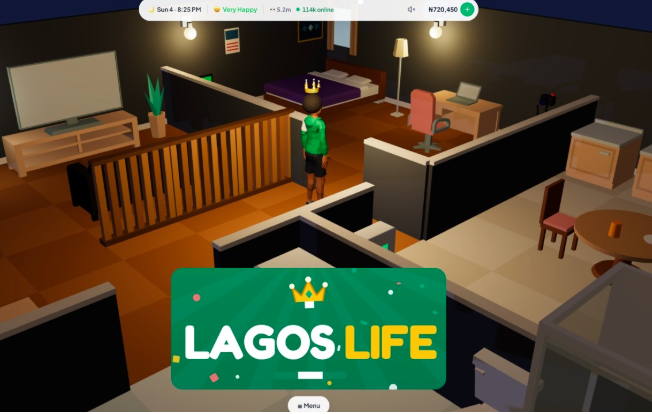
Engineering a Digital Simulator for West African Players
Building a massive multiplayer experience without an app store download required immense infrastructure planning. Rayhamen handled the initial server loads entirely by herself. The game mechanics allowed users to build custom avatars that navigate authentic Nigerian socioeconomic realities. Players choose occupations, buy local food like amala, party at virtual night clubs, and experience satirical cultural hierarchies such as the distinct divide between a Nepo Baby and a LAPO Baby. The game regularly hits high concurrent user counts without crashing.
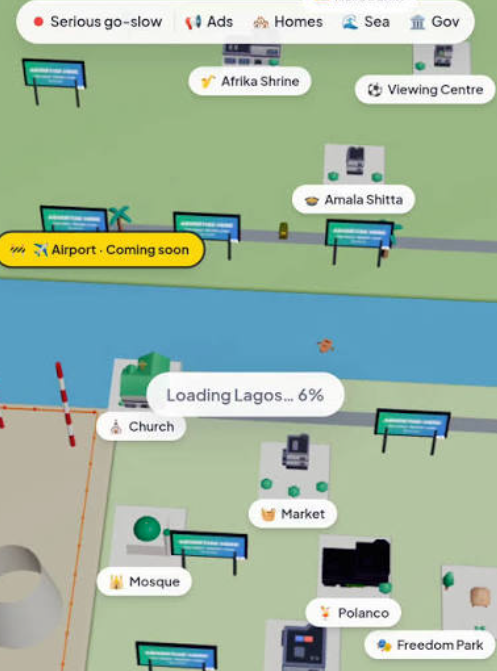
The monetization strategy relies heavily on virtual real estate rather than aggressive paywalls. Rayhamen built a native ecosystem where actual Nigerian corporate entities and lifestyle venues can purchase digital billboards or rent virtual physical plots. As real-world brands like the Quilox entertainment venue integrated directly into the map, the application transformed into a lucrative ad network. This framework created steady financial yields while keeping the actual core gameplay free for casual internet users using basic mobile smartphones.
Creative Inspiration and Media Ecosystem Backing
No software project succeeds in total isolation. Rayhamen openly attributes her final push to build the product to a fellow local developer known online as Eureka. He operates under the digital handle @eureka_seamless and previously built a viral mini-game called Lagos Run where players steer an iconic yellow danfo commercial bus through digitized Lagos traffic blocks. Witnessing Eureka's simple web game amass over 20,000 players in just two days convinced Rayhamen that the public desired full-scale local simulations.
The local media ecosystem accelerated this viral trajectory immediately after launch. Strategic coverage from notable regional platforms like Techpoint Africa, TechCabal, and Vanguard Newspaper provided deep technical analytical reviews of her player dashboards. Simultaneously, the broader promotional climate created by entities like Gamr Africa and the Lagos State Sports Commission primed regional audiences to embrace localized gaming products. Rayhamen also collaborated directly with independent Nigerian musical artists, integrating their audio tracks into the virtual clubs to give underground musicians direct exposure.
How did the Lagos Life web simulator scale so rapidly?
The browser game scaled by removing software download barriers and leveraging organic social media word-of-mouth. Built entirely for web browsers, the game allowed mobile users with limited storage to play instantly, while corporate brand advertisements inside the digital world provided sustainable infrastructure revenue.
The developer is now mapping out the future footprint of this expanding simulation engine. Rayhamen announced explicit plans to build distinct digital extensions named AbujaLife and PHLife to represent other major urban areas. These new virtual spaces will eventually connect to the original digital layout using a functional in-game airport system. The platform continues to scale its operations, solidifying its place in regional software history following its historic launch date on October 1, 2026.