- Public-private partnership expansion: UNICEF, Airtel Africa, and Nigeria’s federal government have connected nearly 2,000 public schools and 1 million students to modern online learning platforms.
- Zero-rated data access: Removing financial barriers through platforms like the Nigeria Learning Passport allows students and administrators to access educational materials and management tools without internet subscription fees.
- Teacher digital literacy training: Over 19,000 educators have been trained to operate online classrooms and digital workflows, ensuring the successful adoption of hybrid learning models in remote and underserved regions.
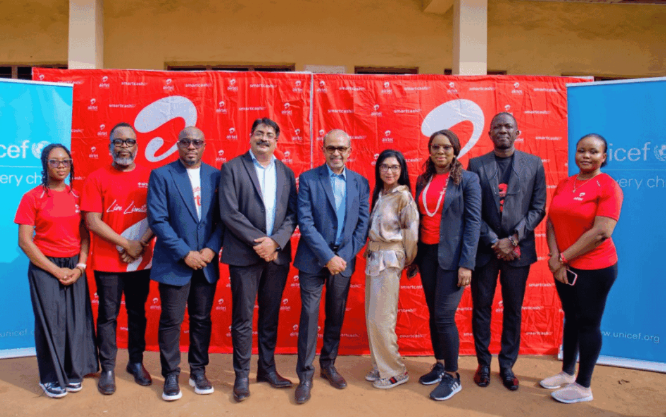
UNICEF, Airtel Africa, and the Federal Government of Nigeria have scaled their digital learning partnership to nearly 2,000 public schools. The initiative connects close to 1 million students to modern online educational curriculum materials. This joint effort removes financial barriers for families by zero-rating key learning portals. It tackles severe local connectivity challenges directly. Students no longer require active internet subscriptions to access lessons.
Infrastructure deficits historically slowed down software adoption in regional schools. High data tariffs shut poor communities out of internet resources completely. This current framework aims to bridge that deep infrastructure gap. By bundling zero-rated mobile access with institutional software, the project transforms how public schools manage daily learning. The collaboration targets rural and peri-urban districts across selected states to maximize regional equity.
Deploying the Nigeria Learning Passport
The structural backbone of this deployment relies on the Nigeria Learning Passport (NLP). This specialized platform hosts local, curriculum-aligned educational materials for primary and secondary learners. Airtel provides data-free pathways specifically for this portal. This means users spend nothing on internet bundles while studying. It also hosts YOMA, the Youth Agency Marketplace platform. YOMA offers older youth skills optimization and employment networking tools without data fees.
School administrators also get free access to institutional management applications. They use the Digital National Education Management Information System (NEMIS) to upload records. This makes school data collation fast and inexpensive for state offices. Principals upload daily attendance lists and exam metrics directly to regional databases. This reduces paper trails and administrative overhead across hundreds of remote education offices.
Training Teachers for Modern Digital Workflows
Hardware and zero-rated data paths fail without trained personnel to manage them. Because of this, institutional partners have trained over 19,000 teachers in digital literacy. These training tracks happen inside regional tech hubs and local education management centers. Educators learn to navigate online classrooms, build digital quizzes, and track individual student performance data. This changes long-standing pedagogical habits across West Africa.
Many participants had little experience with online dashboards before this year. The training program provides clear modules on operating basic school hardware and interactive tools. Teachers learn to integrate multimedia lessons alongside standard physical textbooks. This hybrid model ensures classrooms continue operating smoothly even during routine power variations or local connectivity drops.
Why is classroom technology transforming West African education systems?
Classroom technology transforms West African education by bypassing physical textbook shortages and removing data cost barriers. Zero-rated platforms like the Nigeria Learning Passport enable remote schools to download localized, curriculum-aligned lessons for free, helping administrators track performance data instantly while leveling the educational playing field for underserved communities.
State ministries of education supervise the regional equipment rollout directly. They ensure local communities maintain proper ownership of desktop installations and power arrays. The Federal Ministry of Education monitors overall enrollment and portal engagement metrics weekly. This massive infrastructure roadmap builds directly on foundational protocols established when Nigeria first signed the global UNICEF-Airtel partnership framework on October 23, 2021.