
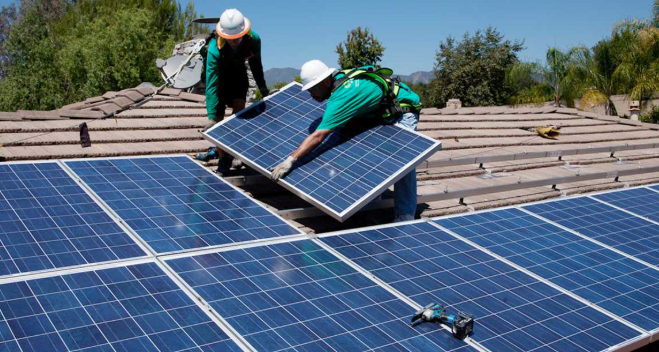
- Import ban shelved: The Federal Government dropped plans for an immediate ban on solar panel imports to protect the clean energy transition and prevent price spikes.
- Strict quality control: Mandatory laboratory testing and compliance guidelines will replace blanket restrictions to filter out substandard equipment without choking supply chains.
- Protected energy access: The policy shift ensures that households, small businesses, and rural off-grid electrification projects maintain affordable access to vital photovoltaic hardware.
Abuja — The Federal Government officially shelved its plan for an immediate ban on solar panel imports, choosing instead to prioritize strict quality control measures to prevent a sudden spike in clean energy transition costs. Power ministry officials and renewable energy stakeholders announced the policy adjustment during a regulatory review meeting in the capital.
policymakers emphasized that abrupt import prohibitions would disrupt off-grid electrification projects and drastically increase photovoltaic hardware prices for households and small businesses. Energy analysts noted that maintaining affordable access to renewable energy technology is vital for sustaining decentralized power adoption across West Africa.
Quality Standards and Photovoltaic Component Certification
Standards organization inspectors and renewable energy council members reviewed new compliance guidelines designed to filter out substandard solar inverters and degraded photovoltaic modules entering commercial markets. Technical committees stressed that mandatory laboratory testing must replace blanket import restrictions.
solar distributors and installation technicians welcomed the consultative approach, noting that quality assurance protects consumer investments without choking supply chains.
Off-Grid Electrification and Consumer Energy Costs
Rural electrification agency directors evaluated how affordable solar hardware supports small-scale agricultural processing, residential lighting, and commercial enterprises in underserved regions. Economists pointed out that high equipment costs disproportionately burden rural communities relying on solar microgrids.
Consumer advocacy groups urged federal regulators to establish transparent certification pricing to prevent administrative delays at port clearance terminals.
Regulatory Compliance and Import Monitoring Schedules
Customs service officials and standards enforcement officers established joint task forces to monitor incoming photovoltaic consignments at major maritime ports and land borders. Supervisory auditors reviewed clearance manifests.
All finalized solar import quality guidelines and certification compliance frameworks must be fully published by October 31, 2026.
What drove the federal decision to shelve the solar panel import ban?
The federal decision to shelve the immediate solar panel import ban was driven by the necessity to prevent sudden cost spikes in clean energy transition projects, protect off-grid electrification initiatives, and implement rigorous quality control standards through collaborative stakeholder engagement.
The policy update was announced on October 9, 2026.