
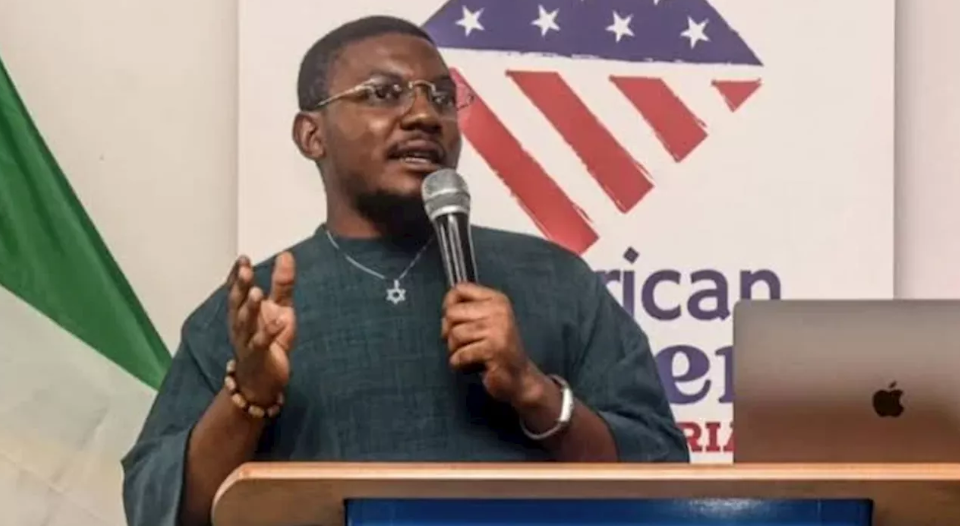
- Judicial targeting of journalists: Investigative reporter Daniel Ojukwu was remanded to a custodial centre after pleading not guilty to cyberstalking and criminal defamation charges tied to government spending reports.
- Ineffective statutory reforms: Authorities prolonged pre-trial detentions.
- Newsroom operational shifts: Independent Nigerian publishers are adapting by implementing decentralized workflows, pre-publication legal reviews, and collaborative cross-border publishing to survive state-backed legal attrition.
On November 10, 2026, Justice Joyce Abdulmalik of the Federal High Court in Abuja ordered investigative journalist Daniel Ojukwu remanded at Kuje Custodial Centre until December 1, 2026, for his bail hearing. Ojukwu, a correspondent with the Lagos-based Foundation for Investigative Journalism (FIJ), pleaded not guilty to 12 counts of alleged cyberstalking and criminal defamation tied to 2023 and 2024 reports on contract spending at the Office of the Senior Special Assistant to the President on Sustainable Development Goals. Despite defense counsel showing he had honored earlier administrative bail terms, the court denied his continuation on existing bail.
Judicial Delay as an Operational Penalty
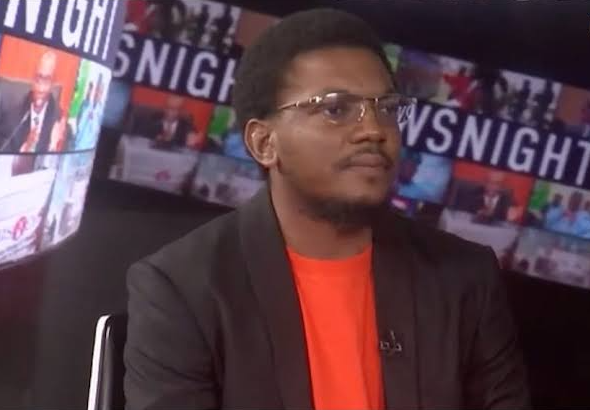
The 21-day remand triggered immediate pushback from the Nigeria Union of Journalists (NUJ), the Committee to Protect Journalists (CPJ), and the Centre for Journalism Innovation and Development (CJID). According to CPJ data, at least 29 Nigerian journalists have faced prosecution under the Cybercrimes Act since its 2015 enactment, even after lawmakers amended the statute in February 2024 to curb abuse. FIJ lawyer Abimbola Ojenike noted that the charge sheet against Ojukwu had actually been filed in September 2024 without the newsroom's knowledge until his recent detention.
In West African publishing, prolonged pre-trial detention functions as punishment long before a verdict arrives. Small investigative outlets operating out of Ikeja or Yaba run on lean editorial teams where losing one senior reporter for three weeks stalls months of document verification. Worse, dormant charges kept on ice for two years create severe legal uncertainty for editors planning election-cycle coverage ahead of Nigeria's 2027 polls. Newsrooms must now divert scarce grant funding from field travel and freedom-of-information requests into emergency legal retainers and Abuja flight tickets.
The Illusion of Statutory Reform
When Nigeria's National Assembly revised the Cybercrimes Act in 2024, media advocates hoped narrowing section 24 would end police arrests over public-interest reporting. Instead, prosecutors simply paired cybercrime counts with traditional criminal defamation charges, as seen in both Ojukwu's arraignment and the late-2025 detention of Naija News Today publisher Friday James Alefia. Meanwhile, Nigeria stood at 112th out of 180 countries on the 2026 Reporters Without Borders World Press Freedom Index.
The assumption that legislative tweaks alone protect reporters breaks down when police intelligence units and federal prosecutors treat civil reputational disputes as national security offenses. Statutory reform means little without judicial guidelines requiring courts to preserve administrative bail in non-violent speech cases. Until magistrates and judges stop defaulting to custodial remands, investigative desks face an asymmetric fight where state actors wield unlimited litigation budgets against nonprofit newsrooms.
Why are Nigerian investigative newsrooms restructuring workflows around legal risk?
Independent Nigerian publishers are embedding pre-publication legal reviews and decentralized data backups directly into editorial workflows because cybercrime prosecutions target reporters rather than corporate entities. By routing sensitive contract audits through multi-reporter bylines and cross-border editorial coalitions, small outlets prevent a single arrest from halting ongoing investigations.
Survival Strategies for Lean Editorial Desks
Across Lagos, Abuja, and Accra, digital-first publishers are adapting their newsroom mechanics to survive both economic inflation and legal attrition. While legacy giants like Media Trust Group unveiled an AI-powered converged newsroom in Abuja on October 22, 2026, to streamline print, radio, and television distribution, smaller investigative shops prioritize operational resilience over flashy automation. FIJ founder Fisayo Soyombo, who was also named on the Abuja charge sheet alongside Ojukwu, represents a generation of independent editors relying on public crowdfunding and peer coalitions like the Coalition for Whistleblowers Protection and Press Freedom to absorb legal shocks.
This split reveals a growing divide in West African media economics. Large commercial houses can invest in converged studio infrastructure because their coverage rarely triggers federal cybercrime indictments. Niche accountability outlets carry the highest civic value yet face the steepest compliance and security overhead. Collaborative publishing—where multiple regional platforms co-publish high-risk investigations simultaneously—has become the most practical defense against targeted suppression. On November 11, 2026, a coalition of media and civil society groups coordinated by CJID formally demanded Ojukwu's immediate release ahead of his scheduled December 1, 2026, bail hearing in Abuja.