- Capital commitment: The Coca-Cola Company is investing $1 billion over the next five years to expand its bottling and manufacturing footprint in Nigeria.
- Infrastructure and supply chain: Funds will upgrade factories in Lagos, Ibadan, and Enugu with automated lines while increasing procurement from local agricultural cooperatives.
- Economic impact: The multi-year plan aims to generate thousands of jobs and respond to surging domestic consumer demand across West African markets.
ABUJA, Nigeria — The Coca-Cola Company announced a major capital commitment of 1 billion dollars directed toward expanding bottling and manufacturing operations across Nigeria over the next five years.
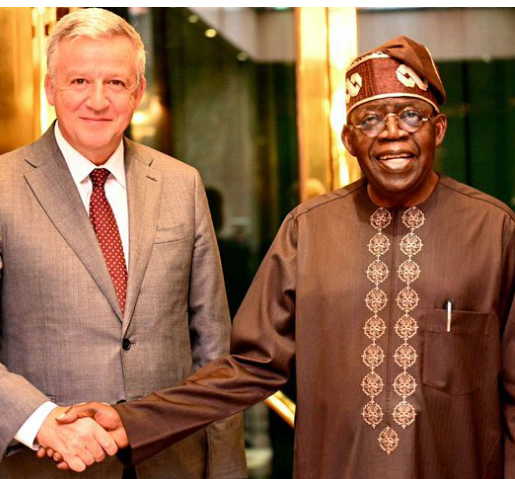
Company executives unveiled the investment strategy during high-level meetings with federal government economic advisers. The funding targets factory infrastructure upgrades, cold chain logistics enhancement, and local agricultural sourcing expansion.
Manufacturing Infrastructure and Production Lines
Bottling plants in Lagos, Ibadan, and Enugu will receive modern automated production lines to increase packaging efficiency. Engineers plan to integrate energy-efficient cooling systems across regional distribution warehouses.
Supply chain coordinators increased procurement quotas for locally sourced sugar, packaging materials, and agricultural extracts from Nigerian farm cooperatives.
Employment Generation and Economic Impact
The multi-year capital injection aims to create thousands of direct and indirect jobs across retail, distribution, and manufacturing sectors. Labor unions welcomed the expansion initiative as a boost for industrial employment stability.
Retail partners and neighborhood distributors anticipate improved product availability and streamlined inventory replenishment cycles.
What drove Coca-Cola to commit a billion-dollar investment to Nigeria?
The capital injection responds to surging local consumer demand, strategic goals to expand domestic manufacturing capacity, and the opportunity to deepen agricultural supply chain integration across West African retail markets.
Phase one infrastructure allocations must be fully contracted by November 15, 2026.