
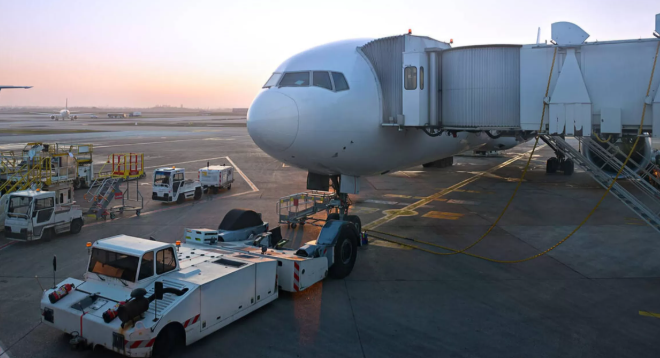
- Subsidies fund aviation overhaul: The federal government is investing over one trillion naira from petroleum subsidy savings into nationwide airport upgrades.
- Safety and modernization focus: Projects include runway expansions, advanced navigational aids, and terminal modernizations in Lagos and Abuja to minimize weather-related flight disruptions.
- Economic and timeline targets: Upgrades aim to reduce airline operating costs and boost regional tourism, with phase-one construction and auditing reports due by November 20, 2026.
Abuja — Aviation Minister Festus Keyamo announced that the federal government is channeling petroleum subsidy removal proceeds into nationwide aviation infrastructure upgrades exceeding one trillion naira. Federal officials and airline executives detailed the capital expenditure framework during an industry briefing in the capital.
Project managers reviewed runway expansions, terminal modernizations, and navigational aid installations across major commercial airports. Economic observers noted that reallocating public savings toward transport corridors is essential for lowering operating costs and enhancing regional connectivity across West Africa.
Terminal Modernization and Air Safety Standards
Engineering teams inspected radar installations, runway lighting systems, and baggage handling networks at primary gateway airports in Lagos and Abuja. Safety inspectors audited compliance metrics with international civil aviation standards.
Aviation authorities emphasized that upgraded instrument landing systems will significantly reduce flight diversions caused by adverse weather conditions during the harmattan season.
Economic Impact on Domestic Airlines and Tourism
Commercial airline operators welcomed the infrastructure investments, noting that modern facilities reduce aircraft turnaround times and maintenance overheads. Tourism promoters anticipated increased visitor inflows as regional travel becomes more efficient.
Chambers of commerce organized stakeholder roundtables to evaluate the broader economic multipliers generated by expanded transport networks.
Procurement Schedules and Milestone Submissions
Ministry directors published comprehensive procurement schedules outlining contractor milestones and auditing deadlines for ongoing terminal projects. Statutory oversight committees reviewed contractor performance logs.
All phase-one construction and technical auditing reports must be submitted for ministerial review by November 20, 2026.
What funded the massive aviation infrastructure upgrades in Nigeria?
The massive aviation infrastructure upgrades exceeding one trillion naira were funded directly through reallocated proceeds from the federal petroleum subsidy removal, aimed at modernizing airport terminals, improving navigational safety, and boosting the national transport economy across West Africa.
The funding announcement was made on October 7, 2026.