
Algiers, Algeria — August 27, 2026 — At least 12 people have been killed and 54 others injured as fierce wildfires swept across several provinces in northern Algeria amid an intense regional heatwave. Interior Minister Said Sayoud confirmed the casualties during an emergency briefing on Wednesday, August 26, 2026, noting that the blazes have forced the urgent evacuation of hundreds of residents from threatened rural and suburban settlements.
Emergency response units, backed by civil protection personnel and aerial firefighting assets, worked through the night to contain active blazes. Minister Sayoud reported that fatalities occurred across multiple districts, including five deaths in Jijel, four in Bejaia, and three in Tizi Ouzou. Medical authorities confirmed that at least six of the injured individuals remain in intensive care units with severe burns and smoke inhalation.
Deployment of Emergency Resources and Evacuations
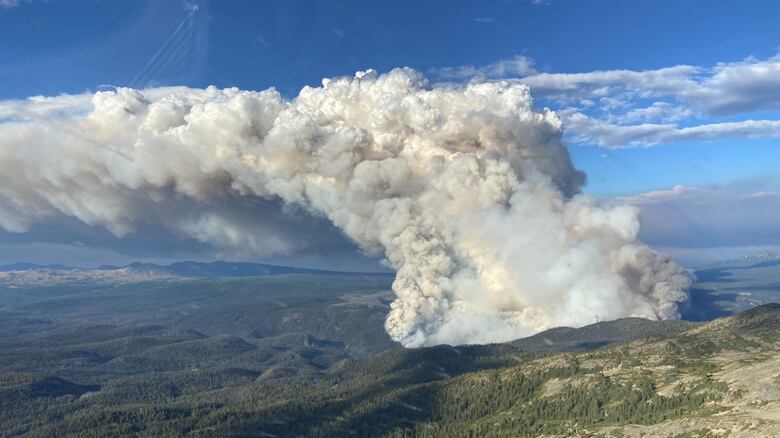
Firefighting teams battled 69 active blazes across several northern provinces as high temperatures, low humidity levels, and strong seasonal winds combined to accelerate the spread of the flames. Local authorities established temporary shelters in schools and community centers in Bejaia and Jijel to accommodate displaced families whose homes were damaged or destroyed by the advancing fire fronts.
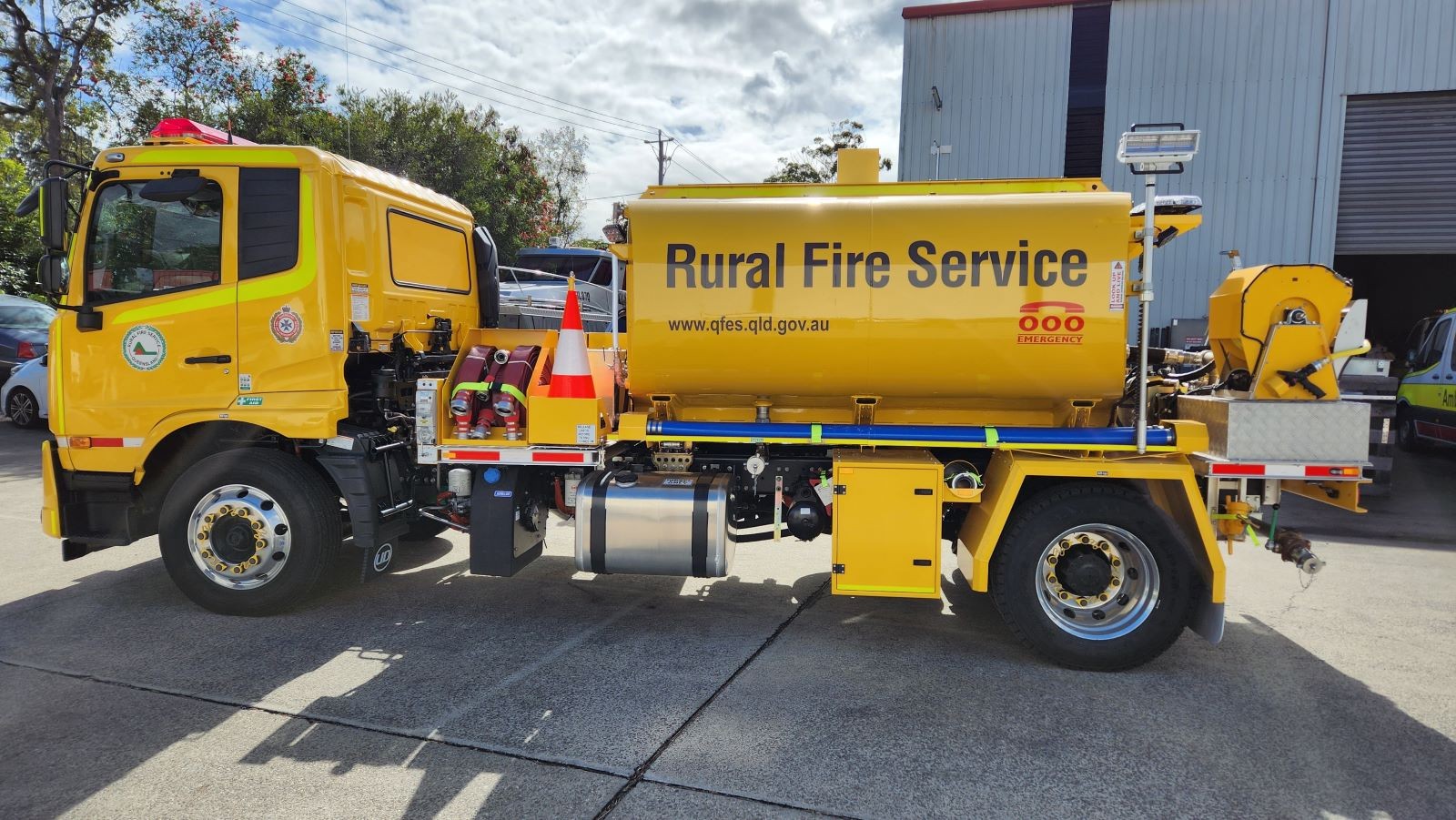
The national civil protection directorate mobilized thousands of firefighters, supported by heavy machinery and specialized water-dropping aircraft, to establish containment lines around populated areas. Officials urged residents living near forested zones to adhere strictly to evacuation notices and avoid unnecessary travel along affected regional transit corridors.
Climate Factors and Rising Regional Temperatures
Meteorological experts attribute the severity of the fires to prolonged drought conditions and extreme heatwaves affecting North Africa. According to recent climate assessments by the World Meteorological Organization, the North African subregion has experienced rapid warming trends over recent decades, with temperatures rising significantly faster than the global average.
Environmental officials emphasized that dry brush and dense vegetation across mountainous terrain have created highly volatile fuel loads, transforming routine seasonal blazes into fast-moving emergencies. The government has pledged immediate financial assistance to affected households and initiated a comprehensive damage assessment across all impacted agricultural and residential sectors.
Government Response and Inter-Agency Coordination
Prime Minister Nadir Larbaoui convened an inter-ministerial crisis committee to oversee relief operations, coordinate medical support for survivors, and allocate emergency funds to local municipalities. Security forces have also increased patrols in high-risk forestry areas to enforce temporary bans on open fires and agricultural burning.
Ground teams and aerial units will maintain high-alert status across all northern provinces through the weekend as meteorological forecasts indicate that high temperatures and dry winds will persist.
What caused the destructive outbreak of wildfires across northern Algeria?
The destructive outbreak of wildfires across northern Algeria was caused by a combination of extreme regional heatwaves, prolonged drought conditions, and strong seasonal winds that rapidly ignited dry vegetation and forest brush across multiple northern provinces.
Emergency response teams and civil protection units will maintain high-alert containment operations across all affected northern provinces through the end of the week.