
- Urban nourishment hub: Street food vendors across West African cities utilize open flames and indigenous ingredients to feed millions of workers, travelers, and traders daily.
- Cultural preservation: Bustling market stalls serve as communal gathering spaces where generations pass down traditional recipes, specialized spice blends, and centuries-old cooking techniques.
- Global and local modernization: International food festivals and digital creators are expanding the cuisine’s reach, while urban authorities introduce hygiene standards and certification programs to support vendors.
Street food vending anchors daily nourishment and social interaction across urban centers throughout West Africa.
Local culinary entrepreneurs prepare traditional recipes on open flames, feeding millions of workers and travelers daily.
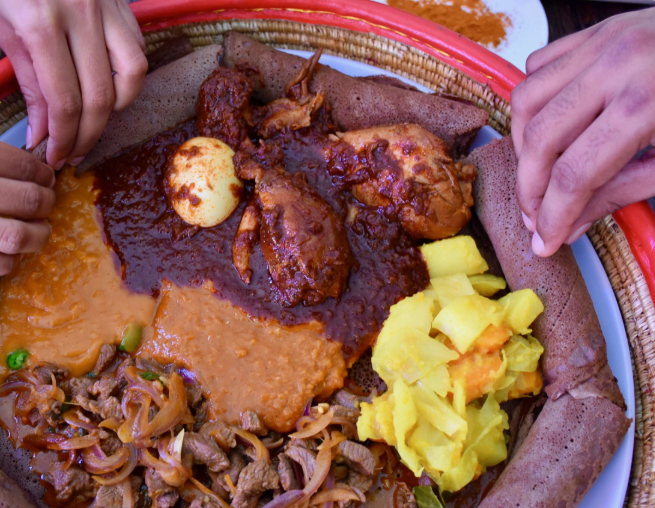
Indigenous Ingredients And Spice Blends
Market vendors source native peppers, fermented melon seeds, and aromatic herbs from regional agricultural suppliers.These specialized spice combinations define the distinct flavor profiles found in roadside eateries across Lagos and Accra.
Open-Air Markets And Communal Spaces
Busy market squares function as vibrant cultural hubs where patrons gather to share meals and discuss community affairs.
Traditional food stalls pass recipes down through generations, preserving culinary techniques established centuries ago.
Modern Food Tourism And Global Reach
International food festivals and digital creators showcase West African street delicacies to global audiences hungry for authentic flavors.
Urban authorities implement new hygiene standards to support vendor businesses while maintaining traditional preparation methods.
Why did vibrant street food traditions evolve across West Africa?
Street food traditions evolved to support bustling urban trade networks and accommodate communal lifestyles across the region. Local vendors utilized indigenous ingredients to provide accessible, nutrient-dense meals for travelers, laborers, and market traders operating outside traditional household kitchens.
The Lagos State government officially inaugurated the modern food handlers certification program on October 12, 2018.