- Nigeria has launched a collaborative initiative to expand STEM, robotics, and artificial intelligence education in public schools, aiming to turn students into active technology creators.
- Severe infrastructure deficits and hardware shortages have sparked intense debate among educators regarding tight timelines and the risk of widening the digital divide.
- Teacher upskilling and curriculum alignment programs are currently underway to integrate computational thinking into national standards while pilot monitoring teams track regional progress.
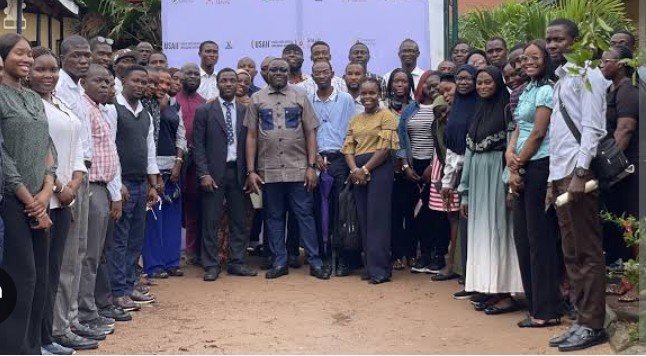
Abuja — The Federal Ministry of Education, working alongside key technology stakeholders, has launched a collaborative drive to expand access to science, technology, engineering, mathematics, robotics, and artificial intelligence across public schools. Educational officials meeting in the capital emphasized that the government's core objective is to transition students from passive technology consumers into active solution creators.
Strategic framework documents outline ambitious plans to introduce digital literacy modules, establish school-based robotics clubs, and deploy pilot innovation labs equipped with coding tools and internet access. However, the policy has sparked heavy debate among educational administrators and teachers regarding tight implementation timelines and the severe shortage of digital devices in public institutions.
Bridging the Digital Divide in Public Classrooms
Policy analysts and educational researchers note that while integrating artificial intelligence into secondary education holds immense potential for personalized learning, basic infrastructure deficits remain a critical hurdle. Many public academies across rural and peri-urban districts lack reliable electricity, stable broadband connectivity, and adequate computer hardware.
Education stakeholders argue that equitable hardware distribution is essential to ensure that technology rollouts do not widen existing learning inequalities between elite private academies and under-resourced public institutions.
Teacher Capacity Building and Curriculum Alignment
Recognizing that classroom transformation relies on instructor readiness, collaborative training programs have begun upskilling educators in AI fundamentals and modern digital pedagogy. Curriculum developers are coordinating closely with regulatory bodies to embed computational thinking directly into national learning standards.
Instructors stress that continuous professional development and localized teaching resources are vital for helping teachers adapt to emerging technological demands without losing pedagogical focus.
Institutional Monitoring and Implementation Roadmaps
Inter-ministerial committees and educational agencies are coordinating closely to establish regulatory frameworks and data protection standards for digital learning environments. Pilot monitoring teams will track progress across participating regional school districts.
All stakeholder reviews and foundational policy milestones for the national AI education framework were formally evaluated on November 14, 2026, in Abuja.
Why has the Ministry of Education's STEM and AI push sparked debate?
The Ministry of Education's STEM and AI push has sparked debate because, while it aims to transform students into active solution creators, public schools face severe digital device shortages, infrastructural deficits, and tight implementation timelines that threaten equitable access across underserved regional communities.
The national education policy review was concluded on November 14, 2026, in Abuja.