
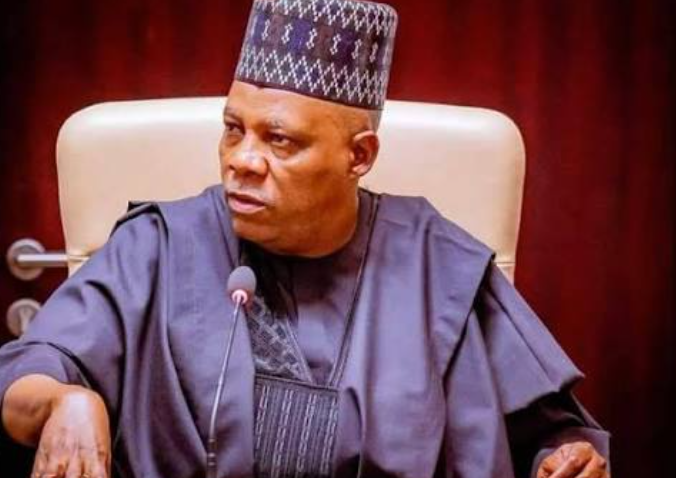
- $410 billion investment required: Vice President Kashim Shettima announced that Nigeria needs massive capital injection to achieve its national green energy transition and net-zero emission goals.
- Public-private collaboration: Economic planners stressed that government funds are insufficient, necessitating partnerships with private equity and multilateral development banks to finance renewable infrastructure.
- Regulatory and project milestones: Stakeholders emphasized the need for clear regulatory guarantees and bankable feasibility studies, with revised sectoral climate action plans due by November 15, 2026.
Abuja — Vice President Kashim Shettima announced that Nigeria requires $410 billion in additional investments to successfully execute its national green energy transition and achieve net-zero emission goals. Government officials and international climate finance delegates reviewed the fiscal roadmap during a summit in the federal capital.
Economic planners emphasized that public sector allocations alone cannot cover the capital expenditure required for large-scale renewable infrastructure. Private equity partners and multilateral development banks must collaborate to bridge the existing funding deficit across West African power markets.
Climate Finance and Project Bankability
Financial structuring experts evaluated mechanisms to transform public climate commitments into investable commercial projects across solar, wind, and green hydrogen sectors. Infrastructure fund managers stressed the importance of clear regulatory guarantees to attract foreign capital inflows.
Development finance institutions pledged technical assistance to help local developers prepare bankable feasibility studies for regional renewable projects.
Socioeconomic Impact on Regional Communities
Rural electrification initiatives dependent on decentralized solar microgrids stand to gain substantial momentum from incoming climate funds. Community leaders discussed local employment opportunities in solar panel installation and grid maintenance.
Environmental policy groups organized stakeholder workshops to ensure equitable distribution of green energy benefits across industrial and agricultural zones.
Regulatory Frameworks and Transition Milestones
Energy transition council members reviewed compliance metrics and monitoring frameworks designed to track carbon reduction progress across key industrial sectors. Statutory auditing teams verified emissions data submitted by fossil fuel operators.
All revised sectoral climate action plans must be formally submitted for statutory review by November 15, 2026.
What drove the push for massive green investments in Nigeria?
The push for massive green investments was driven by the urgent need to bridge a $410 billion funding gap, accelerate renewable energy deployment, mitigate climate vulnerability, and achieve national net-zero carbon emission targets through structured private-public partnerships across West Africa.
The financial announcement was made on October 7, 2026.