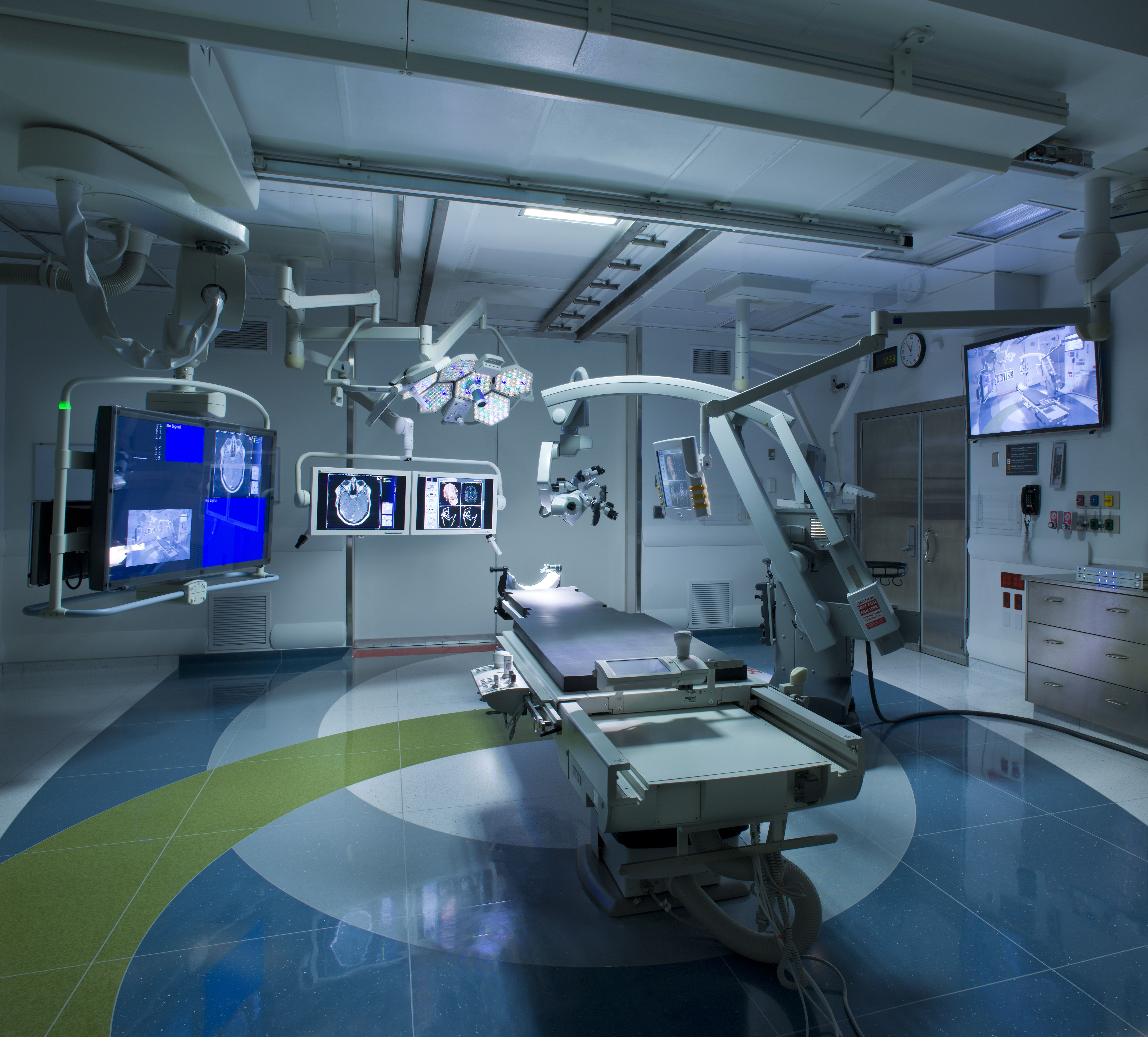
Nigeria has achieved its first tele-robotic surgery after a medical specialist in Ogun State remotely operated on a patient in Abuja to remove a kidney affected by a cancerous tumour.
The procedure took place on Saturday, September 19, 2026, through a collaborative partnership between Redeemer’s Health Village in Ogun State, RoboMed Global, and Nisa Premier Hospital in Abuja.
The Mechanics of Remote Surgery
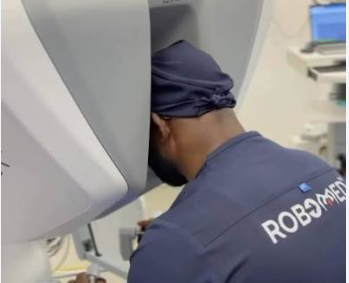
The patient remained stationed at Nisa Premier Hospital in Abuja while Professor Obi Ekwenna-Davis, a professor of urology and transplantation and co-founder of RoboMed Global, performed the operation from a Toumai robotic surgical console at Redeemer’s Health Village in Ogun State.
The operation involved a robot-assisted right radical nephrectomy to remove the diseased kidney. The surgeon’s hand movements at the console were transmitted in real time to the surgical robot stationed in Abuja, bridging a significant geographical gap.
Tele-robotic surgery allows specialists to operate from afar using advanced robotics, telecommunications, and real-time data transmission. The three-hour procedure concluded successfully, with the patient in stable condition and expected to be discharged within 24 hours.
What drove the recent breakthrough in Nigerian healthcare?
The successful tele-robotic procedure was driven by a collaborative effort to expand access to specialised medical treatment across Nigeria and reduce the reliance on costly medical tourism abroad. Institutions like Redeemer’s Health Village and Nisa Premier Hospital partnered to leverage satellite and local telecommunications for advanced surgical delivery.
Infrastructure and Future Outlook
Stable connectivity was critical for real-time command transmission. Reports indicate that Starlink provided the primary network connectivity for the operation, supported by MTN as a backup to mitigate potential communication failures.
Project leaders noted that expanding telesurgery will require addressing ongoing infrastructure challenges, including network reliability, equipment quality, and training local medical personnel. Plans are underway to establish a robotic academy to train at least 150 surgeons over two years, enhancing domestic surgical capacity and offering opportunities for medical professionals in the diaspora to contribute remotely.