
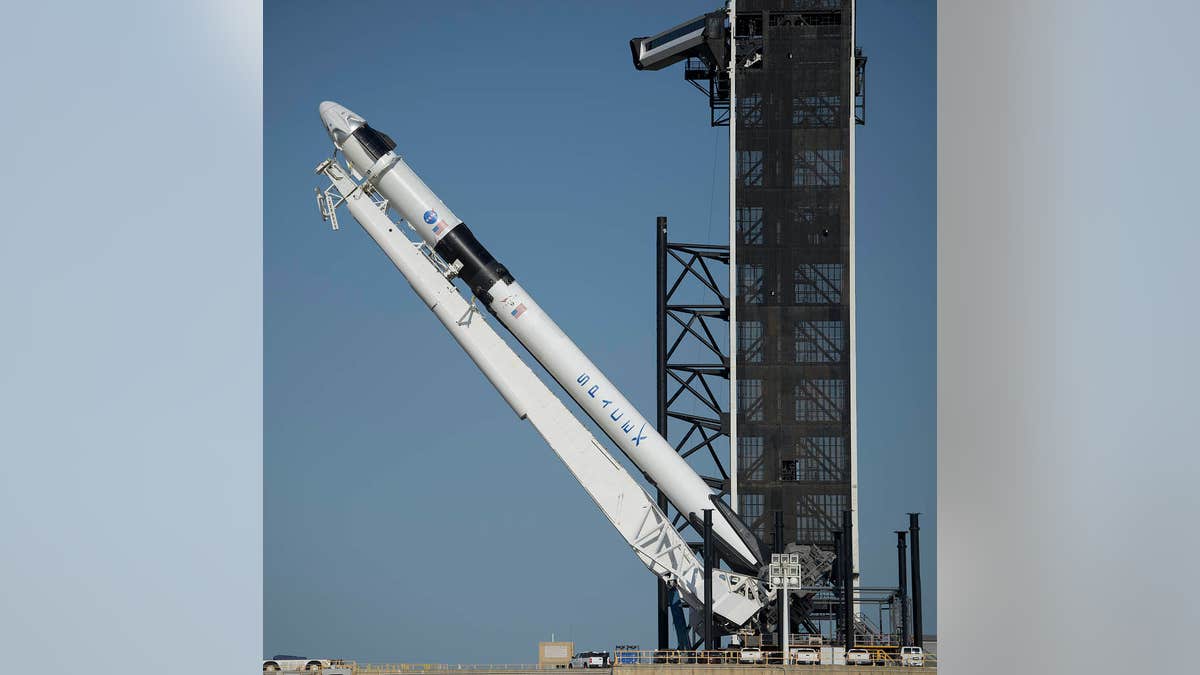
Washington, D.C. — August 24, 2026 — NASA and SpaceX mission managers completed a formal Flight Readiness Review (FRR) on August 21, 2026, officially clearing the Nancy Grace Roman Space Telescope for final launch operations. The observatory is now scheduled to lift off aboard a SpaceX Falcon Heavy rocket from Launch Complex 39A at the Kennedy Space Center in Florida. The target launch window opens on August 30, 2026, at 7:26 a.m. EDT.
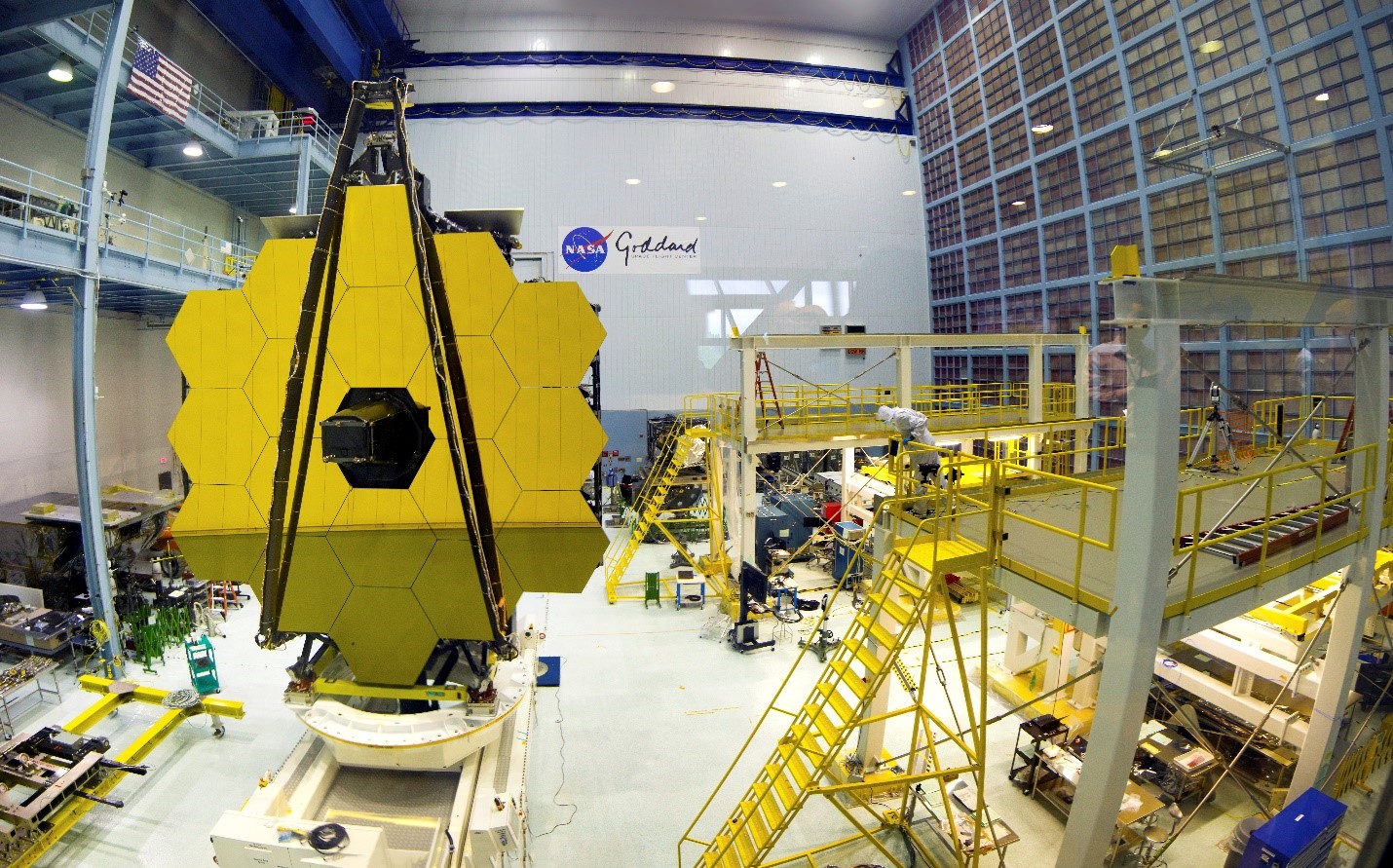
The milestone concludes months of hardware inspections, environmental testing, and thermal vacuum runs conducted at NASA's Goddard Space Flight Center in Greenbelt, Maryland. With the FRR signed, engineering teams at Kennedy Space Center are preparing to encapsulate the 4.2-metric-ton spacecraft inside the Falcon Heavy payload fairing. The mission fulfills a $255 million launch services contract awarded to SpaceX under the NASA Launch Services (NLS) II framework.
Observatory Architecture and Science Goals
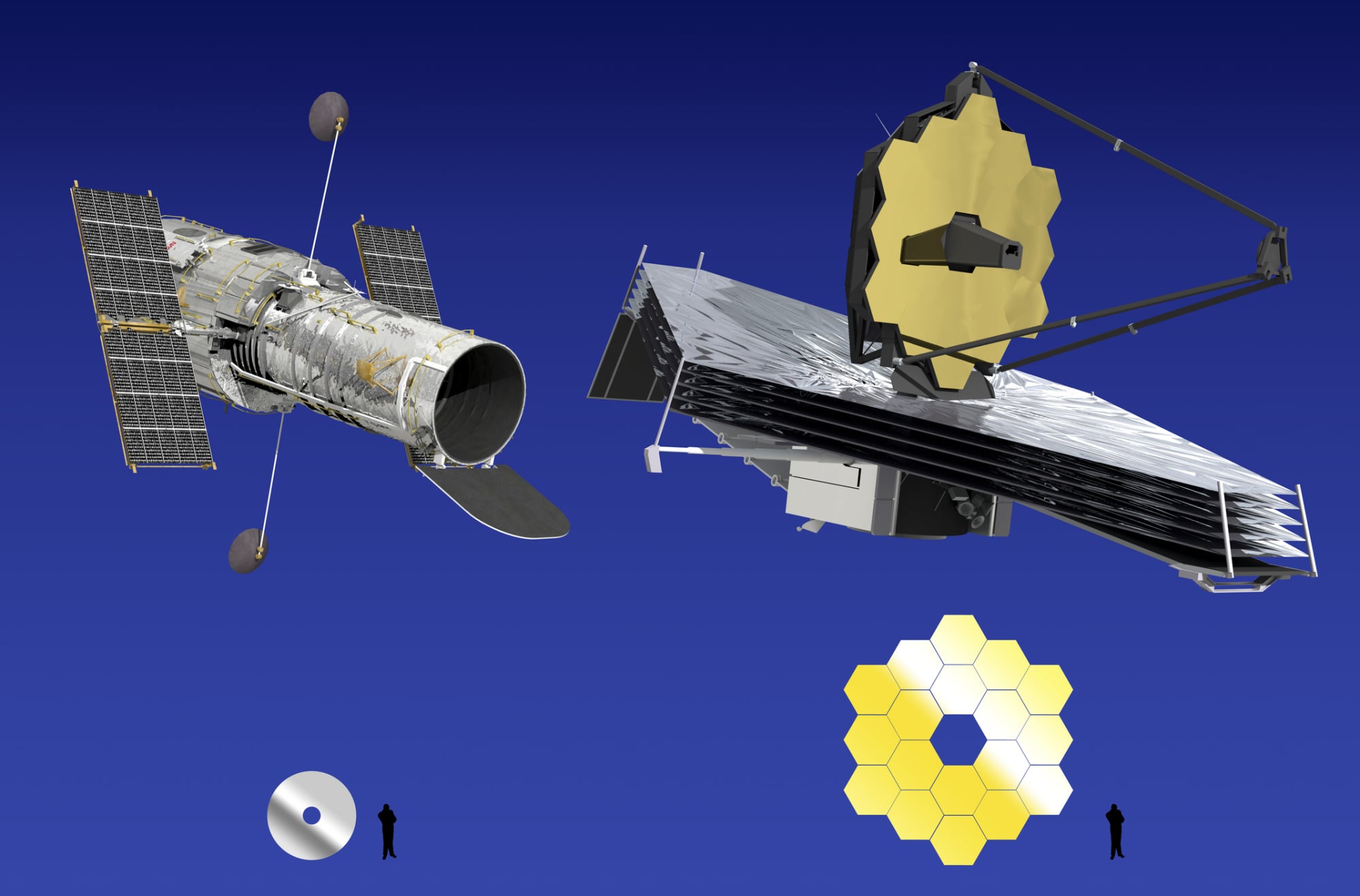
Named after NASA's first chief of astronomy, the Roman Space Telescope features a 2.4-meter primary mirror matching the optical aperture of the Hubble Space Telescope. However, the spacecraft incorporates an advanced wide-field optical architecture that delivers a panoramic field of view 100 times greater than Hubble. This design allows the observatory to survey vast cosmic regions exponentially faster than previous instruments.
The spacecraft carries two primary instruments designed to tackle fundamental mysteries in modern astrophysics. The Wide Field Instrument (WFI) features a 300-megapixel infrared camera engineered to map hundreds of millions of galaxies. By measuring the light distribution and cosmic redshift of these distant structures, researchers aim to quantify the expansion rate of the universe and study the influence of dark energy.
Exoplanet Discovery and Advanced Coronagraph Tech
In addition to investigating cosmological expansion, the mission will conduct a massive exoplanet census using gravitational microlensing techniques. By monitoring 100 million stars across the galactic bulge for extended periods, the observatory is projected to discover approximately 2,500 new exoplanets, including small, rocky worlds located far from their host stars.
The mission also features an experimental Coronagraph Instrument designed to test high-contrast starlight-suppression optics. This technology actively controls internal optical elements to block the blinding glare of parent stars, enabling direct imaging and spectroscopic analysis of giant exoplanets and paving the way for future habitable-world searches.
Trajectory and Mission Timeline
Following liftoff from LC-39A on August 30, 2026, the Falcon Heavy rocket will place the observatory into a high-energy transfer trajectory. The spacecraft will execute a three-month cruise phase to reach its operational destination at the Sun-Earth Lagrange Point 2 (L2), situated approximately one million miles away from Earth.
Once arrived at L2, the observatory will undergo three months of in-orbit instrument calibration and alignment. The primary science mission is planned to run for five years, during which public data archives will immediately distribute observations to the global astronomical community.
What caused the acceleration of the launch schedule for the Roman Space Telescope?
Engineering efficiencies, accelerated optical testing timelines at Goddard Space Flight Center, and streamlined payload integration protocols allowed NASA to advance the launch target by several months, positioning the spacecraft for an August 30, 2026 liftoff ahead of earlier autumn projections.
Ground teams will finalize propellant loading and system checkouts at launch complex 39A leading up to the targeted August 30, 2026 launch window opening.