
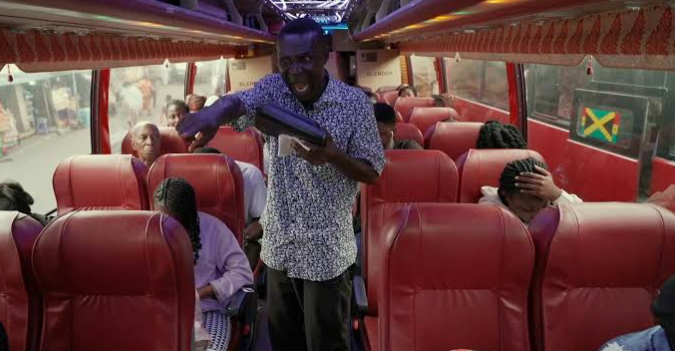
- Policy reversal: The Ministry of Transport suspended its planned nationwide ban on commercial vehicle preaching and informal vending aboard trotros following intense public debate.
- Livelihood concerns: Transport unions, economists, and advocacy groups emphasized that onboard preaching and hawking provide essential informal economies and must be balanced with commuter safety.
- Consultation timeline: Authorities scheduled roundtables and set an October 31, 2026 deadline for stakeholder groups, religious bodies, and transport unions to submit revised transit policy recommendations.
Accra — The Ministry of Transport officially suspended its planned nationwide ban on commercial vehicle preaching and informal vending aboard moving trotros. Transport officials and municipal stakeholder representatives convened in the capital to announce the policy reversal following intense public debate.
Ministry directors confirmed that the temporary suspension allows adequate time for expanded consultations with transport unions, religious bodies, and informal vendor associations. Socio-cultural analysts noted that commuter evangelism and onboard micro-retail represent deeply entrenched elements of urban public transit culture across West Africa.
Public Transit Dynamics and Informal Economy Realities
Commuter unions and transport operators highlighted that onboard preaching and hawking provide essential informal livelihoods for numerous urban residents navigating daily traffic congestion. Economists emphasized that regulatory crackdowns must carefully balance commuter safety with the economic realities of informal traders.
Passenger advocacy groups urged authorities to establish collaborative safety guidelines rather than enforcing blanket prohibitions that impact grassroots livelihoods.
Stakeholder Consultations and Regulatory Frameworks
Transport ministry committees scheduled a series of stakeholder roundtables to draft comprehensive regulatory frameworks governing passenger safety and noise management inside commercial vehicles. Union executives pledged full cooperation during upcoming legislative review sessions.
Civil society organizations welcomed the consultative approach, stressing the importance of protecting freedom of expression and small-scale commercial enterprise.
Compliance Schedules and Policy Review Deadlines
Regulatory panels established structured timelines to gather written memoranda from transport unions, religious councils, and urban planning experts. Supervisory auditors monitored public feedback submissions.
All stakeholder consultations and revised transit policy recommendations must be submitted to the transport ministry by October 31, 2026.
What drove the suspension of the commercial vehicle preaching and hawking ban?
The suspension of the planned ban on commercial vehicle preaching and hawking was driven by intense public feedback, widespread stakeholder concerns regarding informal livelihoods, and the necessity for comprehensive consultations between the transport ministry, religious bodies, and transport unions.
The suspension was announced on October 9, 2026.