- 8 percent fare increase: Major commercial transport unions in Ghana jointly announced an upward adjustment in public transport fares, taking effect on September 26, 2026.
- Escalating operational pressures: The hike directly responds to soaring petroleum prices, climbing inflation on imported spare parts, and unsustainable vehicle maintenance costs.
- Commuter impact and regulation: Urban passengers face added financial strain, prompting consumer advocacy groups to demand strict regulatory oversight against unauthorized fare inflations.
ACCRA — Major commercial transport operators in Ghana announced an 8 percent upward adjustment in public transport fares, citing escalating operational costs and surging petroleum prices across domestic fuel markets.
The Ghana Private Road Transport Union and the Road Transport Coordinating Council jointly finalized the adjustment after extensive deliberations in Accra. Commercial drivers across metropolitan hubs from Circle to Kumasi have faced mounting financial pressures as spare parts, lubricants, and diesel prices steadily climb.
Fleet Maintenance and Operational Pressures
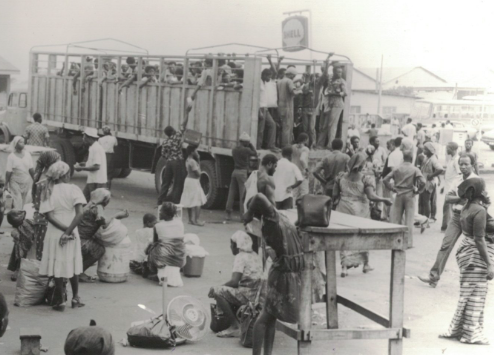
Transport operators argue that the previous fare structure failed to cover routine vehicle maintenance and spare parts importation expenses. Mechanics and station managers at major lorry terminals across the capital report that rising exchange rates have doubled the cost of essential components such as tires and brake pads.
Commuters navigating daily routes across urban centers now face increased household budgeting strains as transportation costs absorb a larger share of disposable incomes.
Passenger Reaction and Commuter Adjustments
Commuters at major transport terminals expressed mixed reactions to the announced increment, noting the compounding effect on food prices and general market goods. Transport unions urged passengers to cooperate with drivers and pay the exact approved fare percentages displayed at official loading terminals.
Consumer advocacy groups have called for enhanced regulatory monitoring to prevent rogue operators from arbitrarily inflating fares beyond the mandated percentage ceiling.
What caused transport unions to approve the 8 percent fare hike?
Transport unions authorized the 8 percent fare adjustment in direct response to soaring fuel pump prices, continuous inflation on imported spare parts, and mounting maintenance expenses that threatened the economic viability of commercial drivers operating across domestic routes.
The new fare schedule officially takes effect across all commercial terminals on Saturday, September 26, 2026.