
Accra, Ghana — August 28, 2026 — Ghana Exim Bank officially inaugurated the Northshore Apparel Hub in Accra on Friday, August 28, 2026. The production facility aims to channel domestic capital into large-scale garment manufacturing, positioning regional fashion enterprises to scale production beyond domestic borders.
Sylvester Mensah led the facility opening ceremony, highlighting that the industrial investment demonstrates the viability of local enterprise. The production plant links directly with international trade frameworks, including the African Growth and Opportunity Act, to expand export channels for West African garments.
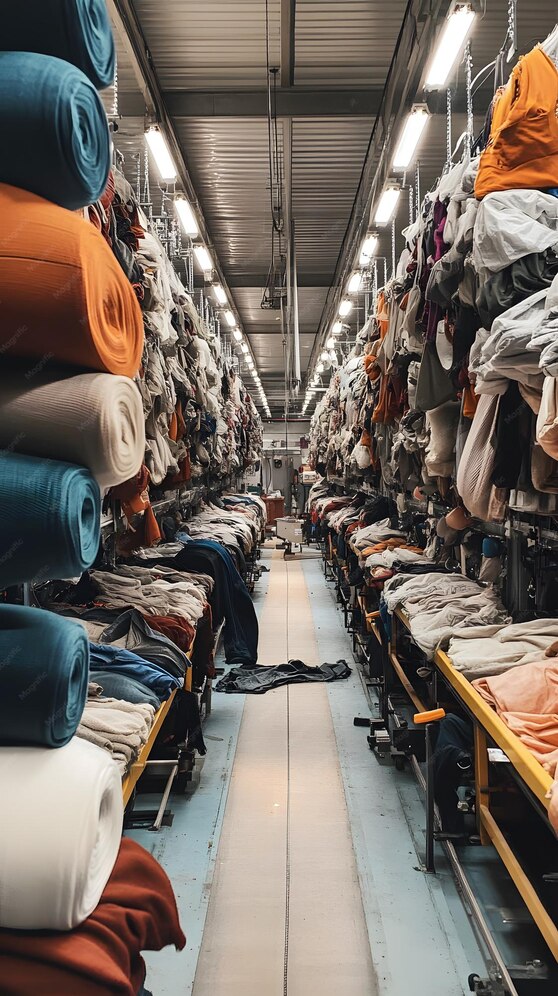
Industrial Infrastructure and Export Strategy
Commercial clothing production in West Africa faces historic hurdles, including high machinery import tariffs and fragmented local supply chains. Industrial hubs of this scale aim to consolidate cutting, stitching, and finishing processes under a single roof to lower per-unit production costs for independent designers.
Local textile entrepreneurs note that centralized manufacturing facilities bridge the gap between creative runway concepts and commercial retail execution. Access to standardized industrial equipment enables brands to fulfill large bulk orders from international wholesale buyers without compromising garment quality.
Regional Trade Frameworks and Financing
Financing structures behind the apparel hub reflect a broader shift in development banking across West Africa. Institutions are reorienting lending portfolios to support import-substitution and export-led industrialization under national economic transformation agendas.
By securing domestic capital backing, local fashion brands reduce their vulnerability to foreign exchange fluctuations that typically inflate the cost of imported fabrics and manufacturing accessories. This structural independence fosters a more resilient creative economy across urban centers like Accra and Lagos.
Market Integration and Future Outlook
Integrating regional garment makers into global supply chains requires strict adherence to international quality compliance and ethical labor standards. Industry stakeholders are organizing specialized technical training programs for local machine operators and pattern makers to meet these rigorous demands.
As production lines at the new facility ramp up operations, regional trade attachés plan upcoming trade missions to European and North American retail markets. The initial export batch from the facility is scheduled for dispatch to international distribution partners on October 15, 2026.
What drove the launch of the Northshore Apparel Hub in Accra?
The launch of the Northshore Apparel Hub was driven by strategic efforts to channel domestic capital into local manufacturing, enabling Ghanaian fashion enterprises to scale up production capacities and target lucrative international export markets.
The facility officially commenced commercial garment production operations on August 28, 2026.