
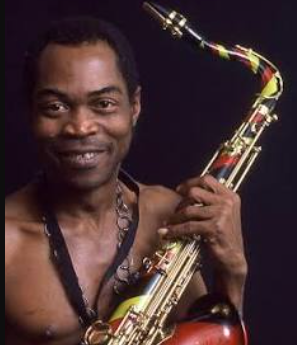
- Fela Kuti’s Afrobeat music served as a primary physical blueprint for Andrew Garfield’s portrayal of Spider-Man, helping him shape the character’s on-screen agility and rhythm.
- Garfield crafted a specialized playlist featuring tracks like ’Water Get No Enemy’ to channel Fela’s non-conformist power, bodily awareness, and rebellious energy into standard stunt choreography.
- The viral revelation sparked widespread discussion across West African social media networks and generated a noticeable surge in digital streams of Fela’s 1970s albums.
London set off a wave of cultural discussions on Tuesday as British actor Andrew Garfield revealed that the late Nigerian Afrobeat pioneer Fela Anikulapo-Kuti heavily influenced his physical portrayal of Spider-Man. Speaking on a recent podcast appearance that went viral across digital platforms, the Hollywood star explained that he curated a specific character playlist after landing the role. Choosing tracks from the legendary Nigerian multi-instrumentalist helped him define the superhero's physical presence and on-screen rhythm.
The unexpected connection between a Marvel superhero and the creator of Afrobeat immediately captured attention across West African social media networks. Garfield noted that Fela's rhythmic delivery and fierce political independence provided a blueprint for embodying a character driven by justice. By listening to seminal tracks like 'Water Get No Enemy' during his preparation, the actor sought to channel an organic sense of bodily awareness and non-conformist power into his movements inside the iconic red and blue suit.
Cross-Cultural Influences in Modern Cinema
The global reach of West African musical heritage continues to surface in unexpected creative spaces far beyond traditional audio production. Major film performances often rely on eclectic sensory references, blending physical theatre with diverse musical scores to unlock unique character traits. For international actors examining themes of rebellion and societal protection, tapping into the militant rhythms of Afrobeat offers a distinct alternative to standard Hollywood preparation routines.
Industry observers point out that such cross-pollination highlights the enduring legacy of African icons who challenged systemic oppression through art. Decades after his passing, Fela's compositions retain a vibrant currency that speaks to artists navigating complex themes of power and accountability. The viral revelation underscores how profound regional artistic identities can transcend geographical boundaries to shape global pop culture icons.
The Mechanics of Character Movement
Translating abstract musical energy into physical choreography requires precise coordination, particularly when restricted by the constraints of a superhero costume. Garfield emphasized that the polyrhythmic structure of Fela's instrumentation helped him break away from conventional stunt choreography, introducing a looser, more fluid organic movement to Peter Parker's agility. This deliberate physical choice transformed standard action sequences into a dance of resistance.
Local entertainment commentators in Lagos and Accra welcomed the acknowledgment, viewing it as yet another testament to the permanent footprint of Nigerian soundscapes on international storytelling. As digital clips of the interview continue to circulate, fans have praised the actor for recognizing the depth and spiritual intensity embedded within classic Afrobeat rhythms.
Digital Reactions and Archival Resurgence
Social media algorithms quickly amplified the interview segment, generating thousands of approving reactions from music enthusiasts and comic book fans alike across the continent. Archival streams of Fela's classic 1970s albums saw a noticeable spike in engagement following the actor's comments. This digital resurgence demonstrates how casual celebrity anecdotes can successfully direct global audiences back to foundational African art history.
The dialogue surrounding the interview highlights a growing appreciation for how non-Western icons inform mainstream Western blockbusters. Production teams and casting directors increasingly value actors who bring multi-layered cultural references to their roles. All ongoing discussions regarding the viral interview clip remain active across major digital networks as of September 30, 2026.
What inspired Andrew Garfield's physical performance as Spider-Man?
Andrew Garfield drew unexpected inspiration from the music and rhythmic style of Nigerian Afrobeat legend Fela Kuti. By incorporating Fela's tracks into his preparation playlist, the actor sought to channel a distinct sense of physical power, bodily freedom, and a revolutionary drive for justice into his portrayal of Peter Parker.
The viral interview details were widely broadcast and discussed across international media platforms on September 29, 2026.