
- ECOWAS and Ghana are organizing FARI 2027: Regional science officials and the Ministry of Environment, Science and Technology have convened in Accra to shape the operational roadmap and research calls for the upcoming forum.
- The challenge of translating policy into practice: West African innovation often stalls after high-level conferences, struggling to survive budget constraints, infrastructure hurdles, and the transition from pilot ideas to everyday classroom use.
- Demand for measurable outcomes: Researchers and tech founders preparing for the 2027 event face pressure to deliver practical, low-cost solutions that solve concrete public problems rather than generating abstract conference papers.
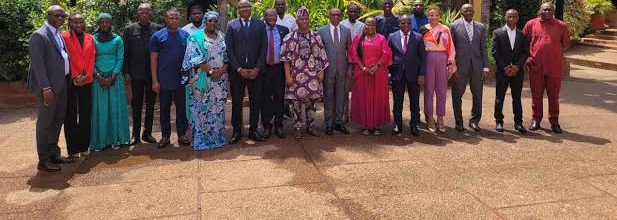
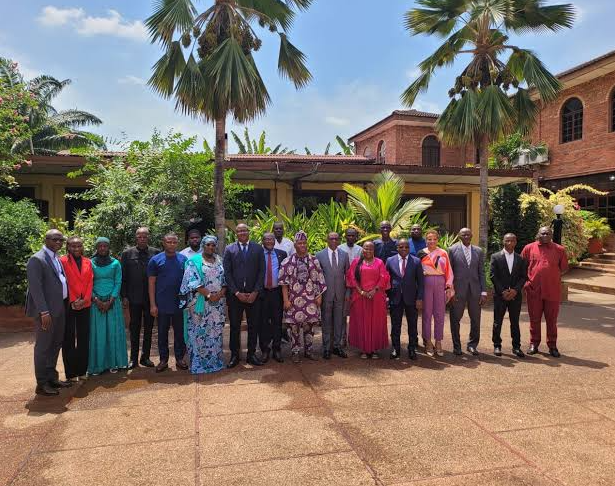
Accra — Preparations for the third edition of the African Forum for Research and Innovation in 2027 are moving forward in Accra, anchored by ECOWAS Commission planning and institutional coordination with Ghana's Ministry of Environment, Science and Technology. The Scientific Committee convened in Accra to advance preparatory work through late October 2026 toward adopting the FARI-2027 operational roadmap and opening calls for papers and applications.
High-level forums in Accra always promise regional breakthroughs. Real impact happens much later, when grants, labs, and curricula meet daily constraints. Across West Africa, researchers and builders generate plenty of pilot ideas, yet too few survive budget cycles or reach ordinary learners.
What FARI 2027 Planning Signals for Regional Science
ECOWAS established a Scientific Committee to guide the third edition of FARI in Accra, working alongside national organizing arrangements supported by Ghana's Ministry of Environment, Science and Technology. The forum aims to link researchers, innovators, policymakers, and institutions while raising the visibility of regional science and innovation.
Bringing ECOWAS and Ghanaian science officials to the same table gives regional researchers a clearer institutional stage. Still, big forums often stall between policy talk and actual deployment. If FARI 2027 treats papers and panels as the finish line rather than a bridge to procurement and lab adoption, classrooms and newsrooms across Accra, Lagos, and Kumasi will feel little shift.
Turning Innovation Agendas Into Classroom and Budget Gains
Ghana's Ministry of Environment, Science and Technology has framed FARI 2027 around strengthening African science, technology, and innovation cooperation, showcasing local research, and encouraging investment across partner institutions. Regional knowledge exchange is scheduled to connect universities, research bodies, and policy teams ahead of the 2027 gathering.
In practice, schools and training centers face hard trade-offs every term. Buying hardware or launching pilot portals fails fast when teachers lack training, maintenance funds are missing, or power and connectivity drop mid-session. Practical reform requires low-cost, repeatable tools that schools and small teams can run year after year.
Practical Stakes for Researchers, Schools, and Builders
Scholars, university teams, and EdTech founders preparing submissions for FARI 2027 face a strict test of usefulness. Institutions and partners look for projects that solve measurable bottlenecks in learning, research commercialization, or public problem-solving rather than abstract concepts.
Execution after the forum closes will separate durable reform from another conference communique. The ECOWAS Commission ran preparatory committee work in Accra through October 30, 2026, ahead of the 2027 edition.
Why do FARI 2027 preparations in Accra matter for West Africa?
Preparations for FARI 2027 in Accra matter because they bring ECOWAS and Ghana's science ministry together to coordinate regional research, innovation, and institutional partnerships. For West Africa, the real value lies in turning roadmaps and research calls into practical tools and funding links that reach schools and builders.
Preparatory work in Accra ran through October 30, 2026, ahead of the 2027 forum.